How to Choose a Jewish One-Man Band in Brooklyn
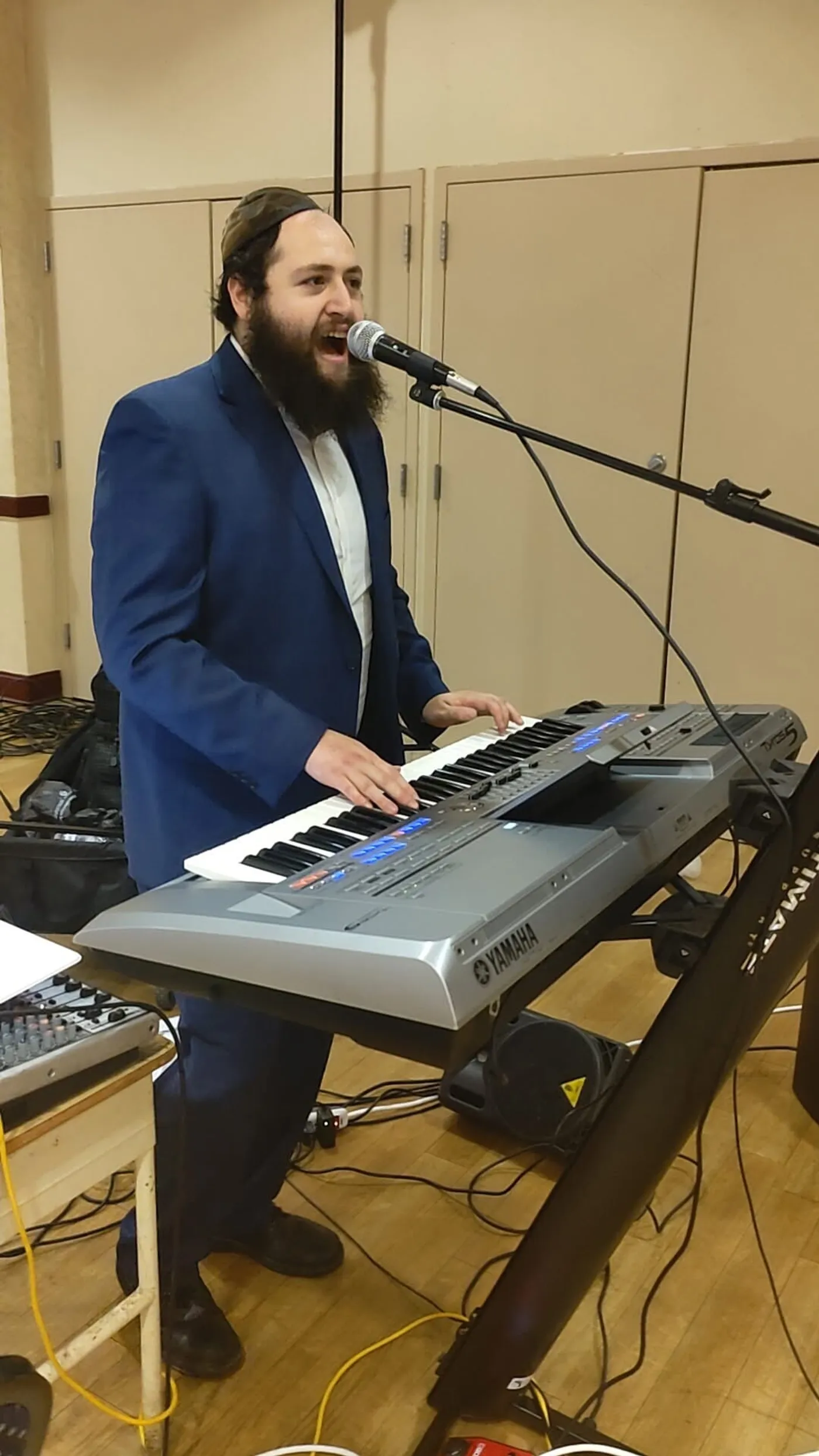
Short answer: Hear them first, ideally on video from a real event. Ask exactly what is played live and what is on backing tracks. Make sure they know your community's music and customs, bring their own professional sound, and can tell you what the hall needs. Then compare a clear, written quote.
A one-man band can give your simcha the sound of a full band from one performer, at a fraction of the space and coordination. But the term covers everything from a singer with a laptop to a musician playing several parts live. These are the questions I'd ask if I were the one booking.
What exactly is a one-man band?
A one-man band is a single performer who sings and plays live, usually on keys, while backing parts such as drums or horns come from arrangements he controls on stage. The result should sound like a band, but it is led live, so the tempo, the length of a song and the next medley can change with the room. That is the real difference from a DJ, who plays finished recordings.
What is played live, and what is on tracks?
This is the most useful question you can ask, and a good performer will answer it plainly. Vocals and the lead instrument should be live. Ask how the backing parts work, and whether he can stretch a dance set or stop a song mid-way when the room needs it. If every song runs exactly as recorded, you are booking a playlist with a microphone.
How do you hear a one-man band before booking?
Ask for video, ideally from a real event rather than a studio. A short clip of a chuppah and a few minutes of a dancing set tell you more than any description: listen for the voice, the energy, and how the crowd responds. Released music is a good sign of musicianship too, but a live clip shows you the night itself. You can hear my latest mix here.
Does he know your community's music and customs?
For a Jewish simcha, repertoire is half the job. Ask which nigunim he plays for the chuppah and badeken, how he handles separate dancing with a mechitzah, and whether he knows the songs your family expects. For a Chabad or Chassidish crowd that means the traditional melodies alongside contemporary Jewish music. Specific answers are a good sign. My Chabad wedding guide covers this in more detail.
What sound equipment does he bring, and what does the hall need?
He should bring his own professional sound system, set up and tested before guests arrive, and be able to fill a room without overpowering it. Ask what he needs from the venue: the floor space, the power outlets, and how early he arrives to set up. A clear answer here saves a scramble with the hall manager on the day.
Can he cover the whole night?
A wedding moves from a quiet kabbalas panim and an emotional chuppah to cocktail hour, a grand entrance and long dancing sets. A bar mitzvah runs from candle lighting to the last dance. Ask whether one performer will carry all of it, and how he paces the night so both older guests and teenagers stay with him. My one-man band vs. DJ comparison walks through the difference for a bar mitzvah.
What should the quote include?
Get the price in writing, with the hours, the arrival time, the sound system and any travel spelled out. Ask what happens if the night runs long. A clear quote is also a good test of how organized the performer will be on the day.
Which red flags should you watch for?
- No video at all. Anyone performing regularly can show you a clip.
- Vague answers about live playing. If he can't say what is live, assume very little is.
- Reviews you can't trace. Look for reviews on Google or another site you can check, not only quotes on his own website.
- No questions about your event. A good performer will ask about your schedule, your customs and your must-play songs.
I'm Motty Reizes, a vocalist and one-man band based in Brooklyn, and I'm happy to answer every one of these questions for your date. See what's included for weddings and bar mitzvahs, or book a free consultation.